Image: Celebrating diversity and inclusion on Zero Discrimination Day 2026
Zero Discrimination Day 2026: A Complete Guide to Understanding, Celebrating, and Taking Action
Published: February 2026 | Reading Time: 12 Minutes | Category: International Days, Human Rights, Social Awareness
🦋 Zero Discrimination Day 2026 - March 1st 🦋
"Everyone counts. End discrimination. Transform lives."
📋 Table of Contents
- 1. Introduction to Zero Discrimination Day
- 2. History and Origin of Zero Discrimination Day
- 3. Zero Discrimination Day 2026 Theme
- 4. The Butterfly Symbol: Meaning and Significance
- 5. Types of Discrimination We Must End
- 6. Global Discrimination Statistics 2026
- 7. How to Celebrate Zero Discrimination Day 2026
- 8. 25 Powerful Actions to End Discrimination
- 9. Key Organizations Fighting Discrimination
- 10. Inspirational Quotes for Zero Discrimination Day
- 11. Zero Discrimination Day in India
- 12. Frequently Asked Questions (FAQs)
- 13. Conclusion
1. Introduction to Zero Discrimination Day
Zero Discrimination Day, observed annually on March 1st, stands as a powerful global movement dedicated to promoting equality, compassion, and peace while celebrating the fundamental right of every individual to live with dignity and respect, regardless of their age, gender, sexuality, nationality, ethnicity, skin color, height, weight, profession, education, health status, or any other characteristic that makes them unique.
In 2026, Zero Discrimination Day takes on unprecedented significance as communities worldwide continue to grapple with various forms of discrimination that affect millions of lives daily. This international observance, spearheaded by UNAIDS (Joint United Nations Programme on HIV/AIDS), calls upon governments, civil society organizations, community leaders, and individuals to take concrete actions toward creating a world where everyone is treated with fairness and equality.
🔑 Key Facts About Zero Discrimination Day
- Date: March 1st every year
- First Observed: March 1, 2014
- Launched By: UNAIDS
- Symbol: Butterfly 🦋
- Purpose: Promoting equality and ending all forms of discrimination
- 2026 Observance: 13th Annual Zero Discrimination Day
The day emphasizes that discrimination in any form is a violation of human rights and dignity. Whether it occurs in healthcare settings, educational institutions, workplaces, or public spaces, discrimination creates barriers that prevent individuals from reaching their full potential and living healthy, fulfilling lives.
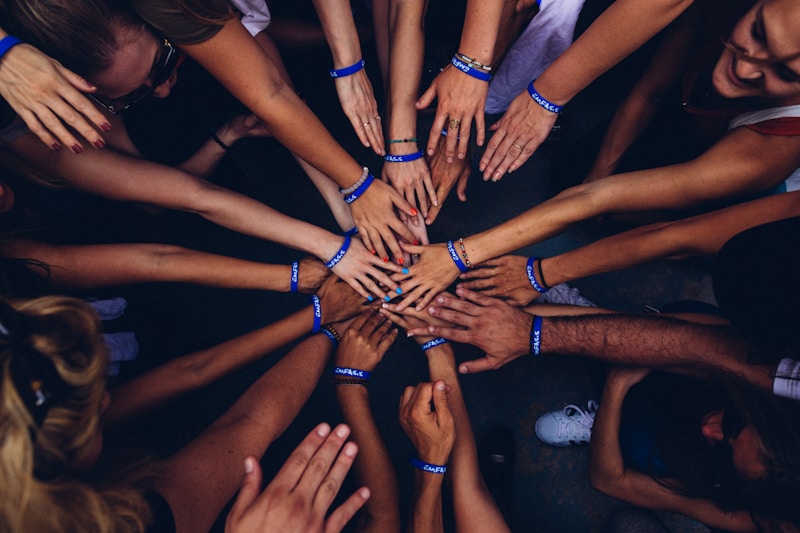
Unity in diversity - Together we can end discrimination
2. History and Origin of Zero Discrimination Day
The journey toward establishing Zero Discrimination Day began with the recognition that discrimination, particularly against people living with HIV/AIDS, was a major barrier to global health outcomes and human rights protection. Understanding this history helps us appreciate the significance of this observance in 2026.
The Birth of Zero Discrimination Day
Zero Discrimination Day was officially launched on December 1, 2013, by UNAIDS Executive Director Michel Sidibé during World AIDS Day celebrations. The first Zero Discrimination Day was subsequently observed on March 1, 2014, marking a historic moment in the global fight against discrimination.
📅 Timeline of Zero Discrimination Day
UNAIDS launches Zero Discrimination campaign on World AIDS Day
First Zero Discrimination Day observed worldwide
Annual observances with different themes addressing various discrimination issues
13th Annual Zero Discrimination Day with renewed commitment to equality
Why UNAIDS Initiated This Day
UNAIDS recognized that stigma and discrimination against people living with HIV was severely impacting the global response to the epidemic. People feared getting tested, seeking treatment, or disclosing their status due to potential discrimination. This observation was later expanded to address all forms of discrimination, recognizing that:
- Discrimination affects health outcomes across all communities
- Marginalized groups face multiple intersecting forms of discrimination
- Legal and social discrimination creates barriers to essential services
- Ending discrimination is fundamental to achieving sustainable development goals
- Every person deserves to live free from prejudice and bias
3. Zero Discrimination Day 2026 Theme
🌟 Zero Discrimination Day 2026 Theme 🌟
"Protect Everyone. End Inequalities. Save Lives."
Building on previous years' commitments to create an inclusive world
Each year, Zero Discrimination Day focuses on a specific theme that highlights critical issues affecting marginalized communities worldwide. The 2026 theme continues the momentum of previous years while addressing emerging challenges in our rapidly changing world.
Previous Year Themes
| Year | Theme | Focus Area |
|---|---|---|
| 2024 | To Protect Everyone's Health, Protect Everyone's Rights | Health Rights |
| 2023 | Save Lives: Decriminalize | Legal Reform |
| 2022 | Remove Laws That Harm, Create Laws That Empower | Legal Empowerment |
| 2021 | End Inequalities | Addressing Inequality |
| 2020 | Zero Discrimination Against Women and Girls | Gender Equality |
2026 Theme Focus Areas
The 2026 theme encompasses several critical focus areas that reflect current global challenges:
🏥 Healthcare Equity
Ensuring equal access to healthcare services for all individuals regardless of background, status, or identity.
⚖️ Legal Protection
Advocating for laws that protect marginalized communities and repeal discriminatory legislation.
🤝 Social Inclusion
Building communities where everyone feels welcome, valued, and included in social, economic, and political life.
🎓 Education Access
Eliminating discrimination in educational settings and ensuring equal learning opportunities for all.
The butterfly - Universal symbol of transformation and Zero Discrimination
4. The Butterfly Symbol: Meaning and Significance 🦋
The butterfly serves as the universal symbol of Zero Discrimination Day, carrying profound meaning and significance that resonates across cultures and communities worldwide. Understanding this symbolism helps us appreciate the deeper message of this important observance.
🦋 Why the Butterfly?
Transformation
Symbolizes the potential for positive change in attitudes and behaviors toward discrimination.
Diversity
Represents the beautiful diversity of humanity with countless colors, patterns, and species.
Freedom
Embodies the freedom that comes when individuals can live without fear of discrimination.
Resilience
Despite their delicate appearance, butterflies are remarkably resilient creatures.
Cultural Significance of Butterflies
Across various cultures and traditions, butterflies hold special significance:
- In many Asian cultures: Butterflies represent joy, longevity, and good fortune
- In Greek mythology: The word "psyche" means both "butterfly" and "soul"
- In Native American traditions: Butterflies symbolize change, hope, and transformation
- In Christian symbolism: Butterflies represent resurrection and new life
- In Mexican culture: Monarch butterflies are believed to carry the souls of departed loved ones
"Just as a caterpillar transforms into a beautiful butterfly, societies can transform from places of discrimination to havens of acceptance and equality. This transformation begins with each individual choice to embrace diversity and reject prejudice."
— UNAIDS
5. Types of Discrimination We Must End
Discrimination manifests in numerous forms across different aspects of life. Understanding these various types is essential for effectively combating prejudice and creating a more inclusive society. Zero Discrimination Day 2026 calls attention to all forms of discrimination:
🚫 Racial Discrimination
Treating individuals differently based on their race, ethnicity, skin color, or national origin. This remains one of the most pervasive forms of discrimination globally.
⚧️ Gender Discrimination
Unequal treatment based on gender identity or expression, including discrimination against women, transgender individuals, and gender non-conforming people.
🏳️🌈 Sexual Orientation Discrimination
Prejudice and discrimination against individuals based on their sexual orientation, affecting LGBTQ+ communities worldwide.
👴 Age Discrimination (Ageism)
Stereotyping, prejudice, and discrimination against individuals based on their age, affecting both elderly and young people.
♿ Disability Discrimination (Ableism)
Discrimination against people with physical, mental, or developmental disabilities, including barriers to access and participation.
🏥 Health Status Discrimination
Discrimination based on health conditions, including HIV status, mental health conditions, chronic illnesses, and other health-related factors.
🛐 Religious Discrimination
Unequal treatment based on religious beliefs, practices, or lack thereof, affecting people of all faiths and non-believers.
💼 Socioeconomic Discrimination
Prejudice and discrimination based on social class, economic status, employment, or educational background.
Intersectional Discrimination
It's crucial to understand that many individuals face intersectional discrimination — multiple forms of discrimination that overlap and compound each other. For example, a woman of color with a disability may face discrimination based on her gender, race, and disability simultaneously, creating unique challenges that require comprehensive solutions.
6. Global Discrimination Statistics 2026
Understanding the scope and scale of discrimination worldwide helps us appreciate the urgency of Zero Discrimination Day 2026. These statistics paint a sobering picture of the challenges we face:
📊 Discrimination by the Numbers
Countries criminalize same-sex relationships
People report experiencing discrimination
People living with HIV face stigma daily
People with disabilities face barriers
Gender pay gap persists globally
Girls denied education due to discrimination
Migrants experience discrimination
Trans people face workplace discrimination
Regional Disparities
Discrimination rates vary significantly across regions, with some areas showing progress while others continue to struggle:
- Sub-Saharan Africa: HIV-related stigma remains highest, affecting access to treatment
- Middle East and North Africa: Gender discrimination and LGBTQ+ rights remain significant challenges
- South Asia: Caste-based discrimination and gender inequality persist
- Europe and North America: Racial discrimination and xenophobia continue to affect minorities
- Latin America: Violence against LGBTQ+ individuals and racial discrimination remain concerns
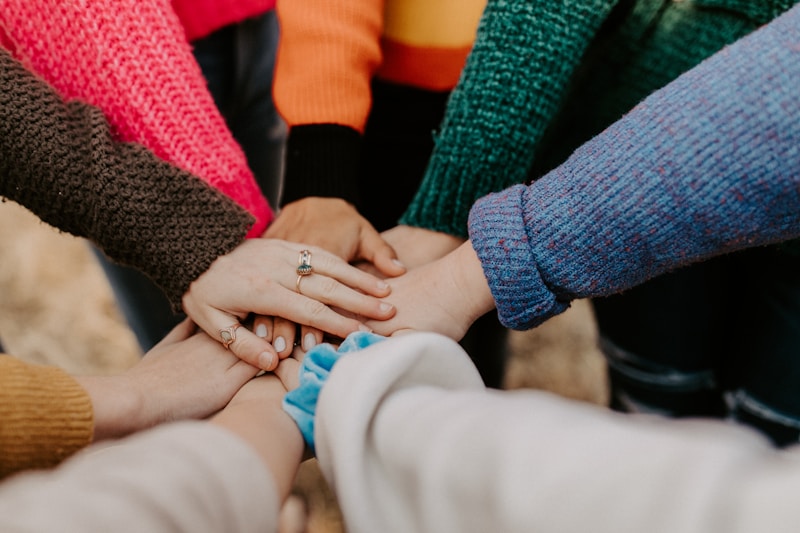
Celebrating diversity - Every person counts in our fight against discrimination
7. How to Celebrate Zero Discrimination Day 2026
Zero Discrimination Day 2026 offers countless opportunities to take meaningful action and show your commitment to equality. Here are comprehensive ways individuals, organizations, and communities can participate:
🏠 Individual Actions
- Educate yourself about different forms of discrimination and their impact
- Share butterfly photos and Zero Discrimination Day messages on social media
- Use hashtags like #ZeroDiscrimination, #ZeroDiscriminationDay2026, and #ButterfliesForChange
- Wear butterfly pins or accessories to show your support
- Have conversations with friends and family about discrimination
- Challenge discriminatory jokes, comments, or behavior when you encounter them
- Support businesses owned by marginalized community members
- Donate to organizations fighting discrimination
- Sign petitions for anti-discrimination legislation
- Read books and watch documentaries about discrimination experiences
🏢 Organizational Actions
📋 Workplace Initiatives
- Organize diversity and inclusion workshops
- Review and update anti-discrimination policies
- Create employee resource groups
- Conduct unconscious bias training
- Celebrate diversity through company events
🏫 Educational Institutions
- Host awareness assemblies
- Organize art and essay competitions
- Create safe spaces for discussions
- Invite guest speakers from marginalized communities
- Implement inclusive curricula
🌐 Community Actions
🎭 Public Events
- Organize marches and rallies
- Host community forums and discussions
- Create public art installations
- Screen educational documentaries
🤝 Community Building
- Create support networks for marginalized groups
- Partner with local NGOs and advocacy groups
- Establish community dialogue programs
- Develop mentorship initiatives
8. 25 Powerful Actions to End Discrimination
Taking action against discrimination requires commitment and conscious effort. Here are 25 powerful actions you can take to contribute to a world free from discrimination:
9. Key Organizations Fighting Discrimination
Numerous organizations worldwide are dedicated to fighting discrimination and promoting equality. Supporting these organizations helps advance the mission of Zero Discrimination Day:
🌍 UNAIDS
Leading the global effort to end AIDS as a public health threat and fighting HIV-related discrimination worldwide.
Website: unaids.org
⚖️ Amnesty International
Global movement of people fighting injustice and promoting human rights for all.
Website: amnesty.org
🌈 Human Rights Campaign
America's largest civil rights organization working for LGBTQ+ equality.
Website: hrc.org
👁️ Human Rights Watch
Investigating and reporting on abuses happening in all corners of the world.
Website: hrw.org
🌐 UN Human Rights
Working to promote and protect all human rights established in international law.
Website: ohchr.org
✊ NAACP
Ensuring political, educational, social, and economic equality for all and eliminating race-based discrimination.
Website: naacp.org
10. Inspirational Quotes for Zero Discrimination Day 2026
These powerful quotes inspire action and remind us of the importance of fighting discrimination:
"Injustice anywhere is a threat to justice everywhere."
— Martin Luther King Jr.
"We cannot solve problems with the same thinking we used when we created them."
— Albert Einstein
"The time is always right to do what is right."
— Martin Luther King Jr.
"No one is born hating another person because of the color of his skin, or his background, or his religion."
— Nelson Mandela
"Diversity is not about how we differ. Diversity is about embracing one another's uniqueness."
— Ola Joseph
"We all should know that diversity makes for a rich tapestry, and we must understand that all the threads of the tapestry are equal in value."
— Maya Angelou
📝 More Inspiring Messages for Zero Discrimination Day 2026
- "Every human being is equal, regardless of who they are, where they come from, or whom they love."
- "Discrimination dims the light of human potential; inclusion allows everyone to shine."
- "In diversity there is beauty and there is strength." — Maya Angelou
- "We are all different, which is great because we are all unique. Without diversity, life would be very boring." — Catherine Pulsifer
- "The world will not be destroyed by those who do evil, but by those who watch them without doing anything." — Albert Einstein
- "It is not our differences that divide us. It is our inability to recognize, accept, and celebrate those differences." — Audre Lorde
11. Zero Discrimination Day in India 🇮🇳
India, with its rich diversity and complex social structures, observes Zero Discrimination Day with particular significance. The country faces unique challenges related to discrimination while also demonstrating remarkable progress in certain areas.
Discrimination Challenges in India
Caste-Based Discrimination
Despite constitutional protections, caste discrimination remains a significant challenge affecting millions, particularly Dalits and other marginalized communities.
Gender Discrimination
Women continue to face discrimination in various spheres including education, employment, and social participation.
Religious Discrimination
Religious minorities sometimes face discrimination despite India's constitutional guarantee of religious freedom.
Progress and Initiatives
India has made significant strides in addressing discrimination through various measures:
- Constitutional Safeguards: Articles 14, 15, 16, and 17 prohibit discrimination and untouchability
- Reservation Policies: Affirmative action for Scheduled Castes, Scheduled Tribes, and Other Backward Classes
- NALSA Judgment (2014): Recognition of transgender rights and third gender identity
- Section 377 Verdict (2018): Decriminalization of homosexuality by the Supreme Court
- Transgender Persons Act (2019): Legal protection for transgender individuals
- Right to Education Act: Ensuring education for all children regardless of background
- POCSO Act: Protection of children from discrimination and abuse
How Indians Can Celebrate Zero Discrimination Day 2026
- Participate in awareness campaigns organized by NGOs and government bodies
- Share messages of unity and equality on social media in regional languages
- Support organizations working for marginalized communities
- Engage in interfaith and intercaste dialogue initiatives
- Advocate for stronger implementation of anti-discrimination laws
- Celebrate India's diversity through cultural events and programs
- Report discrimination incidents to appropriate authorities
12. Frequently Asked Questions (FAQs)
13. Conclusion: Your Role in Creating a World Without Discrimination
Zero Discrimination Day 2026 serves as a powerful reminder that creating a world free from discrimination is both a collective responsibility and an individual commitment. As we observe this important day on March 1, 2026, let us reflect on the progress we've made while acknowledging the significant work that remains.
The butterfly symbol reminds us that transformation is possible. Just as a caterpillar transforms into a beautiful butterfly, societies can transform from places of exclusion and prejudice to havens of acceptance and equality. This transformation requires:
🦋 Key Takeaways for Zero Discrimination Day 2026 🦋
- Awareness: Understanding the many forms discrimination takes is the first step toward ending it
- Action: Every small action against discrimination contributes to larger social change
- Allyship: Standing with marginalized communities, even when we ourselves are not affected
- Advocacy: Speaking up for policy changes and legal protections for all
- Accountability: Examining our own biases and taking responsibility for our growth
Remember, ending discrimination is not just about one day — it's a daily commitment to treating every person with dignity and respect. Whether in our homes, workplaces, schools, or communities, we all have the power to create change.
🌟 Join the Movement 🌟
On March 1, 2026, and every day after, commit to:
✨ Speaking Up • ✨ Standing Together • ✨ Creating Change ✨
Because everyone deserves to live free from discrimination.
Thank you for reading this comprehensive guide to Zero Discrimination Day 2026. Share this article with friends, family, and colleagues to spread awareness and inspire action. Together, we can create a world where the butterfly of transformation touches every community and every heart.
📢 Share This Article
Help spread awareness about Zero Discrimination Day 2026!
Use: #ZeroDiscrimination #ZeroDiscriminationDay2026 #EndDiscrimination #EqualityForAll
📚 Related Topics You May Like
- World AIDS Day
- International Human Rights Day
- International Day for the Elimination of Racial Discrimination
- International Women's Day
- International Day Against Homophobia, Transphobia, and Biphobia
- World Mental Health Day
- International Day of Persons with Disabilities
- Universal Children's Day
Disclaimer: This article is for informational and educational purposes. The information provided is based on available data and may be updated as new information becomes available. For the most current information, please refer to official UNAIDS and UN resources.
Last Updated: February 2026 | Category: International Days, Human Rights | Tags: Zero Discrimination Day, UNAIDS, Human Rights, Equality, Diversity, Inclusion




No comments:
Post a Comment