Image: Celebrating the beauty of wildlife on World Wildlife Day 2026
World Wildlife Day 2026: Complete Guide to Theme, History, Significance & How to Celebrate
Published: February 2026 | Reading Time: 15 Minutes | Category: International Days, Wildlife Conservation, Environment
🐾 World Wildlife Day 2026 - March 3rd 🌿
"Protecting Wildlife, Preserving Our Future"
World Wildlife Day, celebrated globally on March 3rd every year, is the most significant global annual event dedicated to wildlife conservation and the celebration of the world's wild fauna and flora. In 2026, this special day marks the 13th anniversary of this United Nations observance, bringing together millions of people worldwide to raise awareness about the urgent need to protect our planet's incredible biodiversity.
📋 Table of Contents
- 1. Introduction to World Wildlife Day
- 2. History and Origin of World Wildlife Day
- 3. World Wildlife Day 2026 Theme
- 4. Significance of World Wildlife Day
- 5. Understanding CITES and Its Role
- 6. Endangered Species: The Current Crisis
- 7. Major Threats to Wildlife in 2026
- 8. Wildlife Conservation Statistics 2026
- 9. How to Celebrate World Wildlife Day 2026
- 10. 30 Ways to Protect Wildlife
- 11. World Wildlife Day in India
- 12. Key Wildlife Conservation Organizations
- 13. Inspirational Wildlife Quotes
- 14. Frequently Asked Questions (FAQs)
- 15. Conclusion
1. Introduction to World Wildlife Day 🌍
World Wildlife Day is observed annually on March 3rd to celebrate and raise awareness of the world's wild animals and plants. Proclaimed by the United Nations General Assembly (UNGA) in December 2013, this day commemorates the adoption of the Convention on International Trade in Endangered Species of Wild Fauna and Flora (CITES) on March 3, 1973.
In 2026, World Wildlife Day carries even greater significance as we witness both remarkable conservation successes and alarming challenges facing wildlife across the globe. From the majestic African elephants to the smallest pollinators, every species plays a crucial role in maintaining the delicate balance of our ecosystems.
🔑 Key Facts About World Wildlife Day 2026
- Date: March 3, 2026 (Tuesday)
- Established: December 20, 2013 by UN General Assembly
- First Observed: March 3, 2014
- Organized By: CITES Secretariat with UN agencies
- 2026 Observance: 13th Annual World Wildlife Day
- Purpose: Celebrate wildlife and raise awareness for conservation
- Resolution: UN Resolution 68/205
The day provides an opportunity to celebrate the many beautiful and varied forms of wild fauna and flora and to raise awareness about the multitude of benefits that conservation provides to people. At the same time, World Wildlife Day reminds us of the urgent need to step up the fight against wildlife crime and human-induced reduction of species, which have wide-ranging economic, environmental, and social impacts.
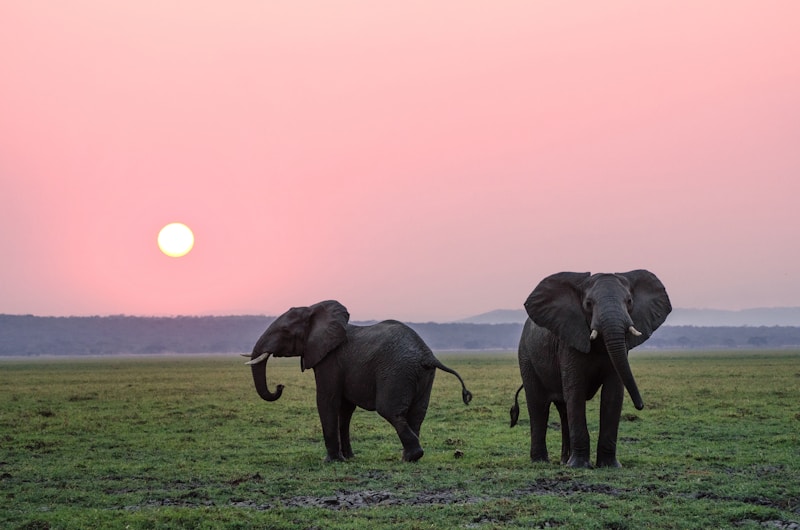
Majestic elephants - Icons of wildlife conservation efforts worldwide
2. History and Origin of World Wildlife Day 📜
The journey toward establishing World Wildlife Day began with the growing recognition that wildlife conservation requires global cooperation and awareness. Understanding this history helps us appreciate why March 3rd was chosen and the significance of this international observance.
The Birth of World Wildlife Day
On December 20, 2013, the 68th session of the United Nations General Assembly adopted Resolution 68/205, proclaiming March 3rd as World Wildlife Day. This date was specifically chosen to mark the anniversary of the adoption of CITES in 1973, one of the most important international agreements for wildlife protection.
📅 Timeline of World Wildlife Day
CITES (Convention on International Trade in Endangered Species) adopted in Washington, D.C.
Thailand proposes World Wildlife Day at CITES CoP16
UN General Assembly proclaims March 3 as World Wildlife Day
First World Wildlife Day celebrated globally
Annual observances with unique themes highlighting conservation priorities
13th Annual World Wildlife Day celebration
The Role of Thailand in Establishing WWD
Thailand played a pivotal role in the establishment of World Wildlife Day. At the 16th Conference of the Parties to CITES (CoP16) held in Bangkok, Thailand in March 2013, the Thai government proposed the creation of a World Wildlife Day. This proposal was subsequently brought to the UN General Assembly, where it received unanimous support from member nations.
Evolution of World Wildlife Day Themes
Since its inception, each World Wildlife Day has focused on a specific theme to highlight different aspects of wildlife conservation:
| Year | Theme |
|---|---|
| 2024 | Connecting People and Planet: Exploring Digital Innovation in Wildlife Conservation |
| 2023 | Partnerships for Wildlife Conservation |
| 2022 | Recovering Key Species for Ecosystem Restoration |
| 2021 | Forests and Livelihoods: Sustaining People and Planet |
| 2020 | Sustaining All Life on Earth |
| 2019 | Life Below Water: For People and Planet |
| 2018 | Big Cats: Predators Under Threat |
| 2017 | Listen to the Young Voices |
3. World Wildlife Day 2026 Theme 🎯
🌿 World Wildlife Day 2026 Theme 🌿
"Wildlife Conservation in a Changing Climate"
Addressing the intersection of biodiversity loss and climate change
The 2026 theme emphasizes the critical connection between climate change and wildlife conservation. As global temperatures continue to rise and weather patterns become increasingly unpredictable, wildlife populations face unprecedented challenges that require immediate attention and coordinated global action.
Why This Theme Matters in 2026
Climate change is emerging as one of the most significant threats to wildlife in the 21st century. The 2026 theme addresses several critical issues:
🌡️ Habitat Disruption
Rising temperatures are altering habitats faster than many species can adapt, forcing migrations and causing population declines.
🌊 Ocean Acidification
Marine ecosystems are under severe stress from warming waters and increased acidity, threatening coral reefs and marine species.
🔥 Extreme Weather Events
Wildfires, floods, and droughts are devastating wildlife habitats and causing mass mortality events.
🦋 Species Migration
Many species are being forced to migrate to new areas, disrupting ecosystems and creating new conservation challenges.
Key Messages for 2026
- Climate action is wildlife action: Reducing emissions protects habitats and species
- Nature-based solutions work: Healthy ecosystems help mitigate climate impacts
- Wildlife corridors are essential: Connected habitats allow species to adapt and migrate
- Indigenous knowledge matters: Traditional conservation practices offer valuable solutions
- Every action counts: Individual choices collectively make a significant impact
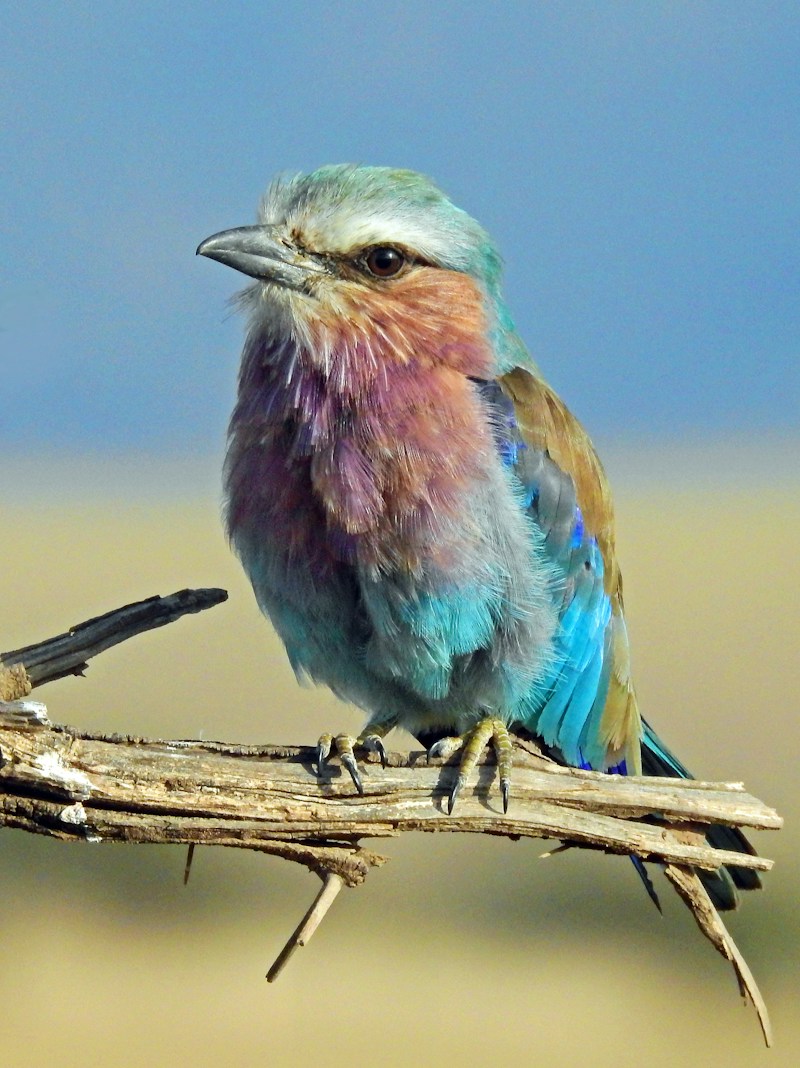
The majestic tiger - A symbol of wildlife conservation success and ongoing challenges
4. Significance of World Wildlife Day 🌟
World Wildlife Day holds immense significance for multiple reasons, extending far beyond simple celebration of nature. Understanding why this day matters helps us appreciate our responsibility toward protecting the planet's biodiversity.
Why World Wildlife Day Matters
🌍 Ecological Importance
Wildlife maintains ecosystem balance, supports pollination, seed dispersal, and nutrient cycling essential for all life on Earth.
💰 Economic Value
Wildlife-based tourism generates billions of dollars annually, supporting millions of jobs and livelihoods worldwide.
💊 Medical Discoveries
Many life-saving medicines originate from wild species. Biodiversity is crucial for future medical breakthroughs.
🍽️ Food Security
Wild species contribute to food security through pollination, pest control, and as direct food sources for many communities.
🌬️ Climate Regulation
Forests and oceans, with their wildlife, absorb carbon dioxide and help regulate the global climate.
🧠 Mental Well-being
Connection with nature and wildlife has proven benefits for mental health and overall human well-being.
💡 Did You Know?
75% of food crops rely on animal pollinators
80% of people in developing nations depend on wild plants for medicine
$600 billion generated annually by wildlife tourism
5. Understanding CITES and Its Role ⚖️
World Wildlife Day commemorates the signing of CITES, making it essential to understand this crucial international agreement and its role in protecting wildlife globally.
What is CITES?
CITES (Convention on International Trade in Endangered Species of Wild Fauna and Flora) is an international agreement between governments that aims to ensure that international trade in specimens of wild animals and plants does not threaten their survival in the wild.
CITES Key Facts
Year of Adoption
Member Countries
Protected Species
Appendix Categories
CITES Appendices Explained
Appendix I - Most Endangered
Species threatened with extinction. International commercial trade is prohibited. Examples: Tigers, Gorillas, Giant Pandas, Some orchid species.
Appendix II - Regulated Trade
Species not necessarily threatened now but trade must be controlled. Examples: Hippopotamus, Many coral species, American alligator.
Appendix III - National Protection
Species protected in at least one country that has requested cooperation. Examples: Walrus (Canada), Alligator snapping turtle (USA).
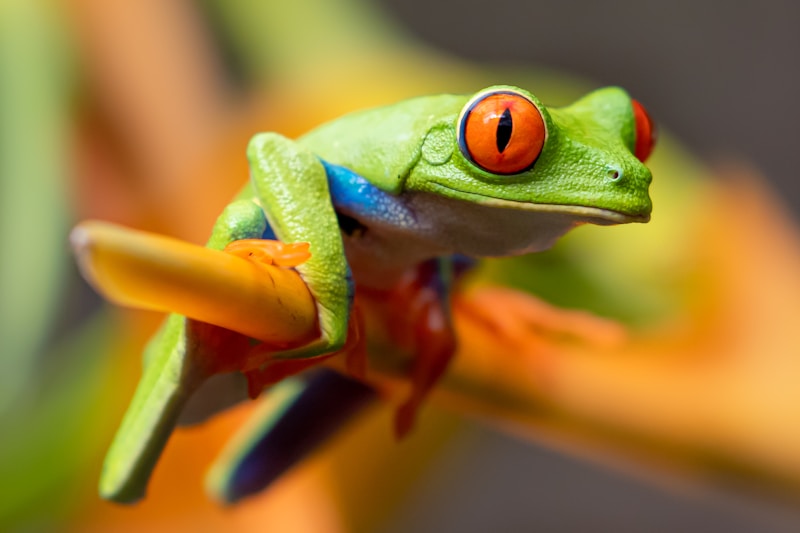
Giant Pandas - A remarkable conservation success story
6. Endangered Species: The Current Crisis 🚨
The world is currently experiencing what scientists call the "Sixth Mass Extinction" – a rapid loss of species driven primarily by human activities. World Wildlife Day 2026 serves as an urgent reminder of the species we must protect.
🔴 Current Extinction Crisis Numbers
Species threatened with extinction
Amphibian species at risk
Reef-forming corals threatened
Wildlife populations declined since 1970
Critically Endangered Species to Know
🦏 Javan Rhinoceros
Population: ~76 individuals
Location: Indonesia (Ujung Kulon National Park)
Threat: Habitat loss, poaching
🐅 Sumatran Tiger
Population: ~400 individuals
Location: Sumatra, Indonesia
Threat: Deforestation, poaching
🦧 Sumatran Orangutan
Population: ~14,000 individuals
Location: Sumatra, Indonesia
Threat: Palm oil plantations, habitat loss
🐘 Sumatran Elephant
Population: ~2,400 individuals
Location: Sumatra, Indonesia
Threat: Habitat fragmentation, human conflict
🐻 Mountain Gorilla
Population: ~1,000 individuals
Location: Rwanda, Uganda, DRC
Threat: Civil unrest, disease, poaching
🐋 Vaquita Porpoise
Population: ~10 individuals
Location: Gulf of California, Mexico
Threat: Fishing net entanglement
Conservation Success Stories
Despite the challenges, there are remarkable success stories that give us hope:
- 🐼 Giant Panda: Downlisted from "Endangered" to "Vulnerable" in 2016
- 🦅 Bald Eagle: Recovered from near extinction in the US due to DDT ban
- 🦏 Southern White Rhino: Population increased from 50 to over 20,000
- 🐯 Bengal Tiger: India's tiger population has doubled since 2006
- 🐺 Gray Wolf: Successfully reintroduced to Yellowstone National Park
- 🦬 American Bison: Recovered from fewer than 1,000 to over 500,000
7. Major Threats to Wildlife in 2026 ⚠️
Understanding the threats facing wildlife is essential for developing effective conservation strategies. Here are the major challenges wildlife faces in 2026:
1. 🏗️ Habitat Loss & Degradation
The single greatest threat to wildlife. Deforestation, urbanization, and agricultural expansion destroy millions of hectares annually.
- 10 million hectares of forest lost annually
- 85% of wetlands have been lost
- Only 3% of oceans are fully protected
2. 🌡️ Climate Change
Rising temperatures, changing precipitation patterns, and extreme weather events are disrupting ecosystems worldwide.
- Coral bleaching affecting 70% of reefs
- Arctic sea ice declining 13% per decade
- Species ranges shifting poleward
3. 🎯 Poaching & Illegal Wildlife Trade
Worth $23 billion annually, illegal wildlife trade is the fourth largest criminal enterprise globally.
- 100 elephants killed daily for ivory
- 3 rhinos poached every day
- Millions of birds trafficked annually
4. 🌊 Pollution
Air, water, and soil pollution contaminate habitats and directly harm wildlife species.
- 8 million tons of plastic enter oceans yearly
- Pesticides affect pollinators globally
- Light pollution disrupts nocturnal species
5. 🦠 Invasive Species
Non-native species disrupt ecosystems, outcompete native wildlife, and spread diseases.
- Responsible for 40% of animal extinctions
- Cost global economy $1.4 trillion annually
- Affect nearly every ecosystem on Earth
6. 🎣 Overexploitation
Overfishing, overhunting, and excessive harvesting deplete wildlife populations beyond sustainable levels.
- 90% of large fish populations depleted
- Bushmeat hunting affects many species
- Overharvesting of medicinal plants
8. Wildlife Conservation Statistics 2026 📊
Data and statistics help us understand the scope of wildlife conservation challenges and measure progress. Here are key statistics for 2026:
🌍 Global Wildlife Statistics 2026
Estimated species on Earth
Threatened species (IUCN Red List)
Species go extinct daily
Land area protected globally
Ocean area protected
Illegal wildlife trade value
IUCN Red List Categories
| Category | Description | Color Code |
|---|---|---|
| Extinct (EX) | No known living individuals | Black |
| Extinct in Wild (EW) | Only surviving in captivity | Purple |
| Critically Endangered (CR) | Extremely high risk of extinction | Red |
| Endangered (EN) | Very high risk of extinction | Orange |
| Vulnerable (VU) | High risk of extinction | Yellow |
| Near Threatened (NT) | Close to qualifying for threatened | Green |
| Least Concern (LC) | Low risk of extinction | Dark Green |
9. How to Celebrate World Wildlife Day 2026 🎉
World Wildlife Day 2026 offers numerous opportunities for individuals, organizations, and communities to participate in celebrating and protecting wildlife. Here's how you can get involved:
🏠 Individual Actions
- Share wildlife photos and facts on social media using #WorldWildlifeDay
- Visit local zoos, aquariums, or wildlife sanctuaries that support conservation
- Watch wildlife documentaries and share them with family and friends
- Donate to wildlife conservation organizations
- Plant native trees and flowers to support local wildlife
- Reduce your environmental footprint to help protect habitats
- Adopt an animal symbolically through conservation programs
- Educate children about wildlife through books and activities
- Participate in local cleanup drives to protect wildlife habitats
- Sign petitions supporting wildlife protection legislation
🏫 Educational Activities
📚 Schools
- Organize wildlife quiz competitions
- Host art and essay contests
- Arrange field trips to wildlife areas
- Invite conservationists as guest speakers
- Create wildlife awareness posters
🎓 Universities
- Host research symposiums
- Organize photography exhibitions
- Conduct conservation workshops
- Launch student conservation clubs
- Partner with wildlife organizations
📱 Digital Participation
Hashtags to Use on March 3, 2026
#WorldWildlifeDay #WorldWildlifeDay2026 #WWD2026 #ProtectWildlife #WildlifeConservation #SaveWildlife #EndWildlifeCrime #CITES
10. 30 Ways to Protect Wildlife 🛡️
Every individual can make a difference in wildlife conservation. Here are 30 practical ways you can help protect wildlife in your daily life:
11. World Wildlife Day in India 🇮🇳
India, one of the world's 17 megadiverse countries, plays a crucial role in global wildlife conservation. Home to 7-8% of all recorded species, India's celebration of World Wildlife Day carries special significance.
🐅 India's Wildlife Heritage 🦚
National Parks
Wildlife Sanctuaries
Tiger Reserves
Tigers (2024 Census)
India's Iconic Wildlife Species
Bengal Tiger
National Animal
Indian Peafowl
National Bird
Indian Elephant
Natural Heritage Animal
Asiatic Lion
Found only in Gir, Gujarat
One-Horned Rhino
Assam's Pride
Snow Leopard
Ghost of the Mountains
India's Wildlife Conservation Laws
- Wildlife Protection Act, 1972: Primary legislation for wildlife protection in India
- Project Tiger (1973): World's largest tiger conservation program
- Project Elephant (1992): Conservation of elephants and their habitats
- National Wildlife Action Plan: Framework for wildlife conservation strategies
- Biological Diversity Act, 2002: Conservation and sustainable use of biodiversity
- Environment Protection Act, 1986: Umbrella legislation for environmental protection
Top Wildlife Destinations in India
| Park/Sanctuary | State | Famous For |
|---|---|---|
| Jim Corbett National Park | Uttarakhand | Tigers, oldest national park |
| Kaziranga National Park | Assam | One-horned rhinoceros |
| Ranthambore National Park | Rajasthan | Tigers, historic fort |
| Gir National Park | Gujarat | Asiatic lions |
| Sundarbans National Park | West Bengal | Royal Bengal tigers, mangroves |
| Bandipur National Park | Karnataka | Elephants, tigers |
12. Key Wildlife Conservation Organizations 🏛️
Numerous organizations worldwide are dedicated to wildlife conservation. Supporting these organizations helps advance the mission of World Wildlife Day:
🐼 WWF
World Wildlife Fund - The world's leading conservation organization working in 100 countries.
Website: worldwildlife.org
🌍 IUCN
International Union for Conservation of Nature - Maintains the Red List of Threatened Species.
Website: iucn.org
🐘 WCS
Wildlife Conservation Society - Saves wildlife and wild places worldwide through science and conservation action.
Website: wcs.org
🐅 Panthera
Devoted exclusively to the conservation of wild cats and their ecosystems.
Website: panthera.org
🌊 Ocean Conservancy
Working to protect the ocean from today's greatest global challenges.
Website: oceanconservancy.org
🇮🇳 Wildlife Trust of India
Leading Indian conservation organization working to conserve nature through action.
Website: wti.org.in
13. Inspirational Wildlife Quotes 💬
These powerful quotes inspire action and remind us of our responsibility to protect wildlife:
"In the end, we will conserve only what we love; we will love only what we understand; and we will understand only what we are taught."
— Baba Dioum
"The wildlife and its habitat cannot speak, so we must and we will."
— Theodore Roosevelt
"The greatness of a nation can be judged by the way its animals are treated."
— Mahatma Gandhi
"We do not inherit the earth from our ancestors, we borrow it from our children."
— Native American Proverb
"The question is, are we happy to suppose that our grandchildren may never be able to see an elephant except in a picture book?"
— Sir David Attenborough
"What we are doing to the forests of the world is but a mirror reflection of what we are doing to ourselves and to one another."
— Chris Maser
📝 More Inspiring Wildlife Quotes
- "Look deep into nature, and then you will understand everything better." — Albert Einstein
- "Wildlife is something which man cannot construct... once it is gone, it is gone forever." — Joy Adamson
- "When the last tree is cut, the last fish is caught, and the last river is polluted; we will realize that we cannot eat money." — Native American Saying
- "The wildlife you save today are the ones your children will get to see tomorrow." — Unknown
- "A nation that destroys its soils destroys itself. Forests are the lungs of our land." — Franklin D. Roosevelt
14. Frequently Asked Questions (FAQs) ❓
15. Conclusion: Our Collective Responsibility 🌍
World Wildlife Day 2026 serves as a powerful reminder that the fate of wildlife lies in our hands. As we celebrate the incredible diversity of life on Earth on March 3rd, we must also commit to concrete actions that will ensure future generations can experience the wonder of wildlife.
The challenges facing wildlife today – from climate change and habitat loss to poaching and pollution – are daunting but not insurmountable. Every action we take, no matter how small, contributes to a larger movement for conservation. Whether it's choosing sustainable products, reducing our carbon footprint, or simply sharing awareness about wildlife issues, we all have a role to play.
🐾 Key Takeaways from World Wildlife Day 2026 🌿
- Awareness is the first step: Understanding the challenges facing wildlife is essential for effective conservation
- Every species matters: From the largest whale to the smallest insect, all species play crucial roles in their ecosystems
- Climate action is wildlife action: Fighting climate change directly benefits wildlife conservation
- Individual actions add up: Collective individual efforts can create significant positive change
- Support conservation: Organizations working to protect wildlife need our financial and moral support
- Speak up for wildlife: Advocate for stronger wildlife protection laws and policies
As we move forward, let us remember the words of conservationist Jane Goodall: "What you do makes a difference, and you have to decide what kind of difference you want to make." Let World Wildlife Day 2026 be the day we recommit to making a positive difference for wildlife and our planet.
🌟 Join the Movement on March 3, 2026 🌟
Together, let's protect wildlife for:
🐅 Present Generations • 🌍 Future Generations • 🌿 Our Planet
Because every creature deserves a chance to thrive!
Thank you for reading this comprehensive guide to World Wildlife Day 2026. Please share this article with friends, family, and colleagues to spread awareness. Together, we can create a world where wildlife thrives alongside humanity in harmony.
📢 Share This Article
Help spread awareness about World Wildlife Day 2026!
Use: #WorldWildlifeDay #WWD2026 #ProtectWildlife #WildlifeConservation #SaveWildlife
📚 Related Topics You May Like
- World Environment Day (June 5)
- International Tiger Day (July 29)
- World Elephant Day (August 12)
- World Rhino Day (September 22)
- World Animal Day (October 4)
- International Biodiversity Day (May 22)
- World Oceans Day (June 8)
- Earth Day (April 22)
Disclaimer: This article is for informational and educational purposes. The statistics and information provided are based on available data from IUCN, CITES, WWF, and other reputable conservation organizations. For the most current information, please refer to official sources.
Last Updated: February 2026 | Category: International Days, Wildlife Conservation | Tags: World Wildlife Day, CITES, Wildlife Conservation, Endangered Species, Biodiversity, Nature Conservation




No comments:
Post a Comment